

Dogs communicate primarily through body language. By paying close attention to their signals, you can better understand what they are feeling or trying to say. In this article, you'll discover three important body signals - from wagging to yawning - and what they really mean.
1. Tail
Is your dog always happy when he wags his tail?
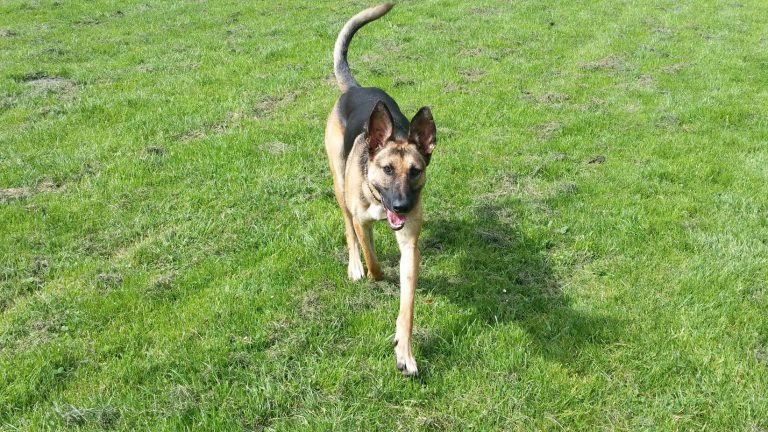
If your four-legged friend is wagging his tail, it often means that he is happy is. For example, when you come home after a long day of work, he will be excited and happily wag his tail. Sometimes this happens so fast that it almost looks like a propeller - then your dog is very happy to see you again!
But beware: wagging doesn't always mean your dog is happy. A stiff, tense tail can actually be a stress signal are. In such a case, your dog may even warn you that he feels threatened or may react aggressively.
What do the attitudes of the tail tell us?
A medium tail usually indicates relaxation. A tail between the hind legs means your dog is anxious or insecure, or perhaps in pain. A high tail instead shows self-confidence or dominance.
2. Hair standing upright
What does it mean when your dog's hair stands up?
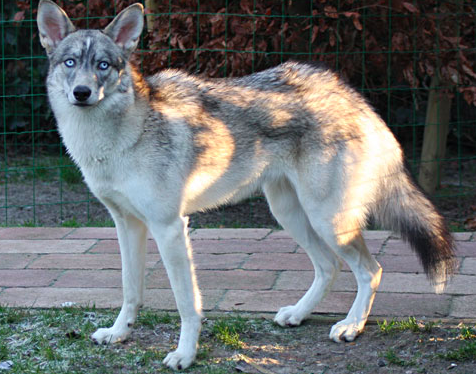
When your dog "brushes," or in other words raises its hair, its body reacts to tension or excitement. This can happen when he is startled by a loud noise, such as fireworks. Sometimes dogs also do this to impress other dogs - a natural way to make themselves look bigger and stronger.
3. Yawn
Is your dog always tired when he yawns?
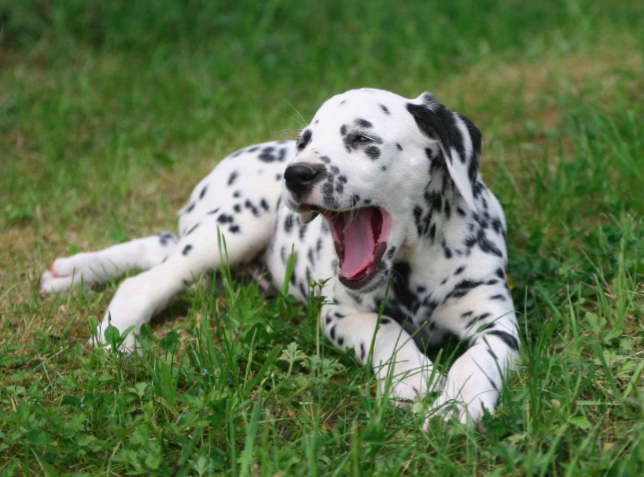
Like humans, dogs sometimes yawn because they tired be, but there may be more behind it. Yawning also occurs with stress or anxiety - for example, during a visit to the veterinarian. Scientists have found that yawning increases the heart rate and brings more oxygen to the brain, allowing dogs to process stress better.
In addition, dogs sometimes yawn in response to their owner. In fact, dogs are very empathetic: when you yawn, your dog might do the same. That means you share a strong emotional bond!
During busy workdays, do you want to make sure your dog gets enough exercise and attention? Then choose pet sitter at home - This is also how a regular babysitter learns his body language.
By learning to read your dog's signals, you will build more trust and understanding. This will only make your bond stronger - day by day.


 English
  Nederlands