

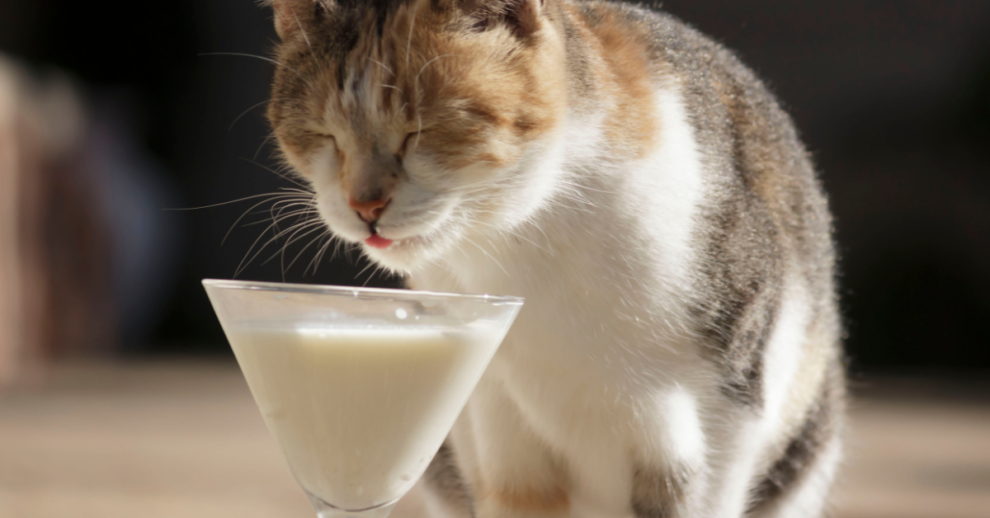

Many people have the classic image of a cat enjoying a bowl of milk. But is that image actually true? Although we often think cats love milk, this drink is not good for most cats at all. In this blog, we dive deeper into the question: can cats have milk? We discuss the facts, potential health problems, and provide safe alternatives for your cat.
Milk and cats: where did the myth come from?
The idea that cats like milk is deeply rooted in culture. This image came about because milk used to be commonly found on farms. Cats came in contact with milk here and could sometimes enjoy a sip, especially since it was fattier and more unprocessed at the time. This association stuck, and soon the image of the "cat and milk" became a cliché.
Why do cats like milk?
Cats may be attracted to the smell and taste of milk, especially because of its fat content. This makes milk tempting to them, but their bodies are often unable to digest it properly. Kittens naturally drink milk from their mothers, but that mother's milk contains less lactose than cow's milk and is specially tailored to their needs.
Can cats digest milk?
Here comes the problem: Most adult cats cannot properly digest lactose, a sugar in milk. Kittens have the enzyme lactase, which breaks down lactose. Once they get older and start eating solid foods, production of this enzyme decreases. As a result, lactose can cause digestive problems in many adult cats.

Dangers of milk to cats
If a cat drinks milk without enough lactase to break down lactose, the following symptoms may occur:
- Stomach Pain - nausea or abdominal pain.
- Diarrhea - Risk of dehydration, especially with repeated use.
- Gas formation - flatulence and bloating.
Not life-threatening, but annoying - and completely preventable.
What if your cat does like milk?
Some cats really like the taste and texture of milk. If your cat doesn't react to anything, a very small amount now and then will do. Pay close attention to the stool and stomach reactions; stop immediately in case of complaints. Fortunately there are safe alternatives.
Safe alternatives to milk
- Lactose-free cat milk - available in pet stores; specially formulated and highly digestible.
- Lactose-free milk (for humans) - some cats tolerate this; start with a small amount and observe.
- Flavored water - Mix water with a small amount of tuna fluid (water-based) for more attraction.

What is the best drink for cats?
The only necessary and healthy drink for cats is water. Offer fresh, clean water daily; many cats prefer to drink running water, so a drinking fountain can help. Want something special during the holidays? Try a pet-friendly mocktail.
Are kittens allowed milk?
Yes, but the right kind. Kittens drink breast milk or - if that is not possible - special kitten milk from the veterinarian/pet store. Cow's milk is unsuitable due to its high lactose content and incorrect nutritional composition.

Conclusion: can cats have milk?
In short, adult cats are better off not drinking regular milk. Lactose intolerance often causes gastrointestinal problems. Want to treat anyway? Choose lactose-free cat milk or a safe alternative - and above all, make sure you provide fresh water and an appropriate diet daily.


 English
  Nederlands